JEOL Scanning Transmission Electron Microscope (STEM)
High-resolution imaging at magnifications up to 1,000,000× for nanoscale material-interaction studies.

Laboratory capabilities
Our on-site analytical and battery-testing capabilities help BDS understand material interactions at the nanoscale, then connect those findings to measurable performance in cells and complete batteries.
Investing in deeper understanding
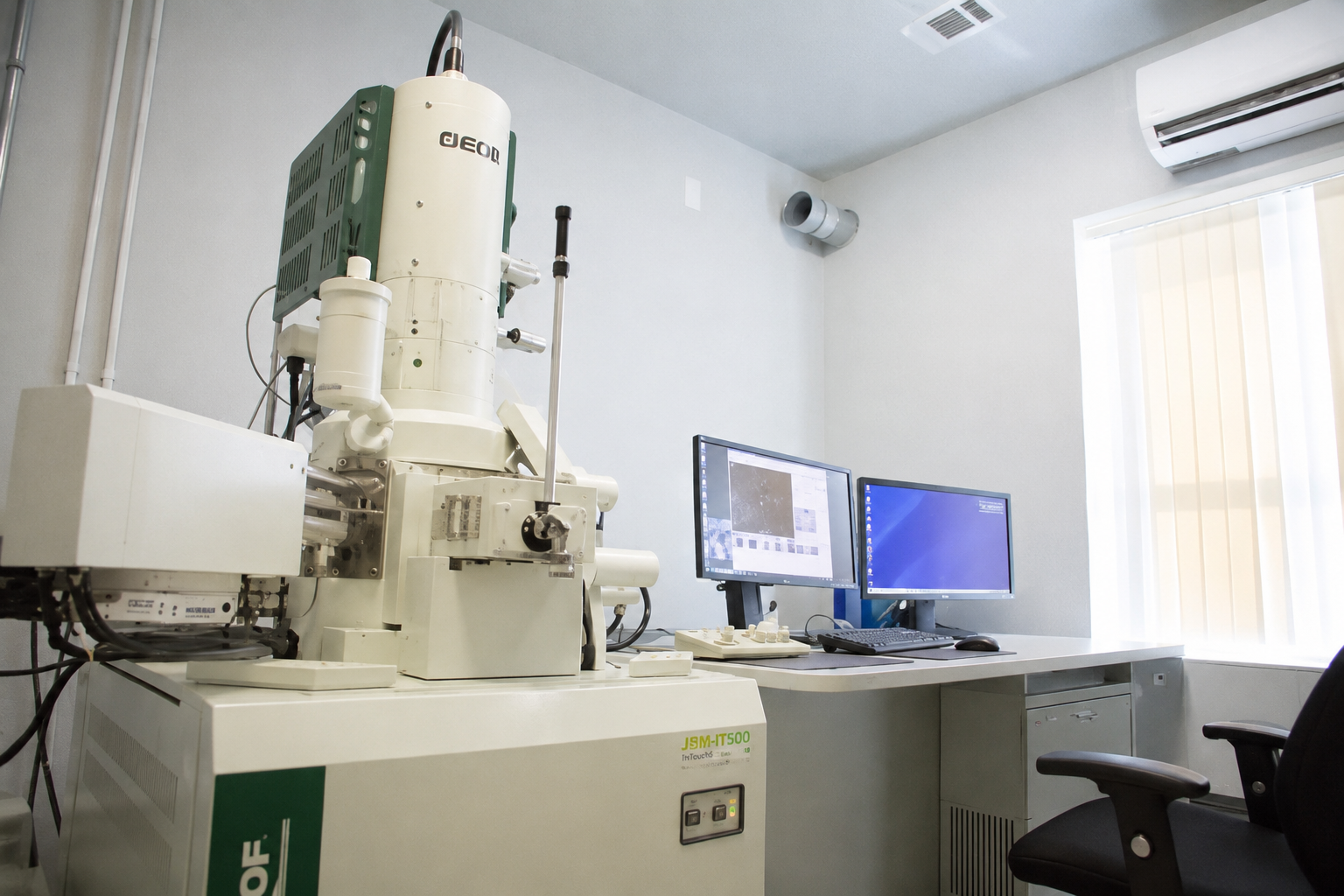
We continue to invest in new capabilities that support our development efforts. A recent investment in a JEOL Scanning Transmission Electron Microscope (STEM) allows us to capture images at magnifications up to 1,000,000×.
This provides a true nanoscale view of the interactions among MOLECULAR REBAR® technology, surfactants, lead particles, expanders, and other additives or materials—helping our team understand how each component works within the complete system.
Analytical and material-development equipment
Our laboratory brings complementary analytical methods together to investigate morphology, composition, thermal behavior, mechanical properties, mixing, and material performance.
High-resolution imaging at magnifications up to 1,000,000× for nanoscale material-interaction studies.
Surface and material imaging with energy-dispersive X-ray (EDX) capabilities for elemental analysis.
Measurement of mass change and thermal stability under controlled temperature conditions.
Characterization of heat flow, transitions, and thermal behavior in materials.
Evaluation of mechanical response and viscoelastic properties across controlled conditions.
Spectroscopic analysis for chemical identification and optical characterization.
High-shear mixing with torque measurement to evaluate processing behavior and material integration.
Controlled tensile testing for material strength and mechanical-property measurement.
Additional instruments and laboratory resources support formulation, quality, and development programs.
Advanced battery testing laboratory
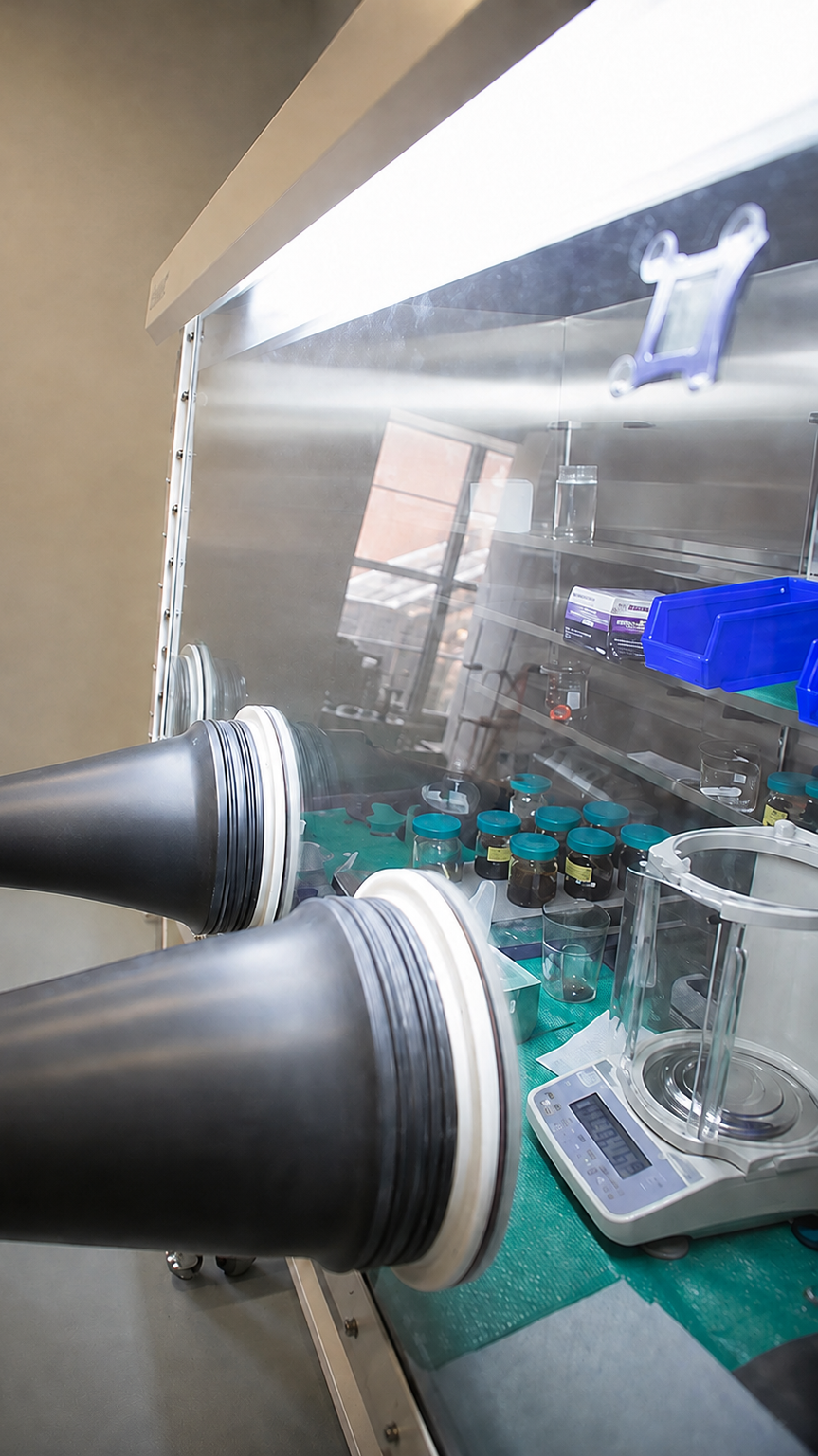
Our advanced battery testing lab supports ongoing work to provide comprehensive performance data on the effects of MOLECULAR REBAR® technology. It expands our internal full-scale battery testing and provides customers with circuits for product development and optimization.
The lab includes 300 A circuits for start-stop protocols such as SBA-S0101 and other high-current testing.
Working together
Strategic relationships that strengthen our materials expertise, production capabilities, and support for battery manufacturers.

Connect equipment to your development question
Tell us the chemistry, format, performance target, and challenge. We’ll help define the analytical and battery testing needed to support the next decision.